
While looks are important when designing a custom home, it’s even more important to consider how that space will function on a day-to-day basis. A thoughtful design that supports your family’s routines and lifestyle will go a long way in making your everyday living easier and more enjoyable. Here’s how we can help you make that happen.
Prioritizing High-Use Areas
Designing spaces that work for everyday living starts by focusing on the places you use the most, like the kitchen, living room, and primary bedroom. Design features like open layouts, smart storage solutions, and a practical “flow” for how you navigate the room can enhance both comfort and efficiency so these rooms can be more usable for everyday living.
Creating Flexible Living Spaces
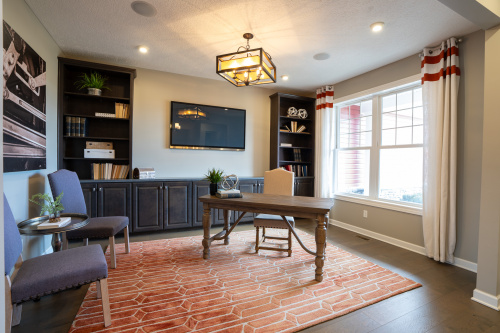
In addition to those high-use areas, another way to enhance your home’s usability is by incorporating flexible spaces that can be used for multiple purposes. A room that is designed for flexibility can be used as a guest bedroom, home office, a hobby room or something else entirely. Even better, flexible design lets you change how you use this room as your own needs change over time.
Keeping Organization in Mind
Finally, you should never overlook storage as a way to maximize your home’s usability. Features like built-in shelving and spacious closets can work alongside a functional layout to minimize the clutter in your home. Planning ahead for what will go into each room will help you ensure that everything has an organized space, keeping your home tidy and enjoyable.
A well-designed home won’t just look beautiful — it will also make everyday life more seamless. When you work with Capstone Custom Homes, you’ll get a team dedicated to helping you create spaces that are just as functional as they are beautiful. Contact us today to learn more about our processes and to start planning your own home!