
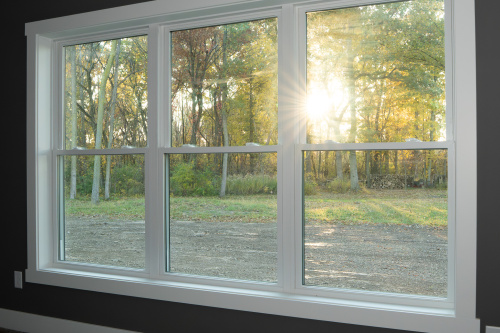
Interior trim is usually considered a final finishing detail, but it can actually go a long way in defining your home’s style. The right selections for baseboards, window and door casings, and crown molding can have a surprising impact on your home’s character and its transitions between features.
Choose a Style That Fits the Whole Home
Your trim style should support, rather than compete with, other more permanent features like cabinetry, doors, windows, and flooring. It’s also important that the style stays consistent throughout the home, especially in open areas where several rooms are visible. A consistent trim selection (whether a simple clean-lined trim or a wider, more detailed profile) will help the home feel connected, even if individual rooms have different color schemes.
Pay Attention to Scale
The right scale is essential for helping trim feel properly sized for the space and its surrounding details. This requires considering things like wall height, window and door size, and room proportions, especially in areas with cabinets, narrow walls, or closely spaced openings. The right profile size for a small bedroom may be too small in a great room with elevated ceilings. Considering the surrounding details helps the trim to always look intentional.
Decide Where Extra Detail Has Value
Decorative millwork can add a lot of character to places like the entry or dining room, while other areas may benefit from simpler trim. By adding greater detail in a few select places, you can focus your budget where your trim will have the biggest impact and give your home character without making it feel too busy.
Done right, interior trim can help your home feel truly finished. And if you’re not sure where to start, Capstone Custom Homes can help you select the style, scale, and detail that fit your overall design. Talk to us to learn more about how we can help your entire home feel polished and connected.